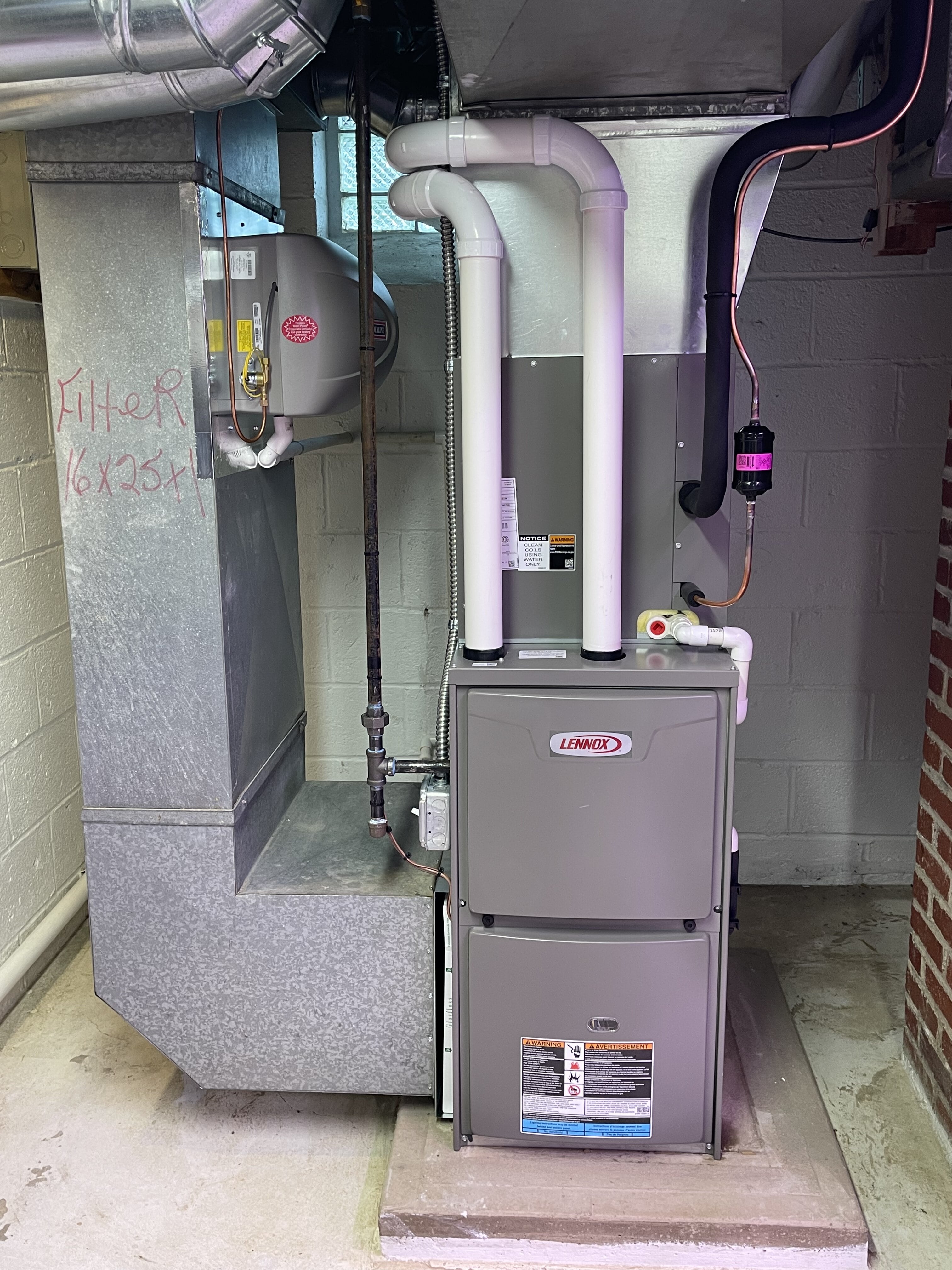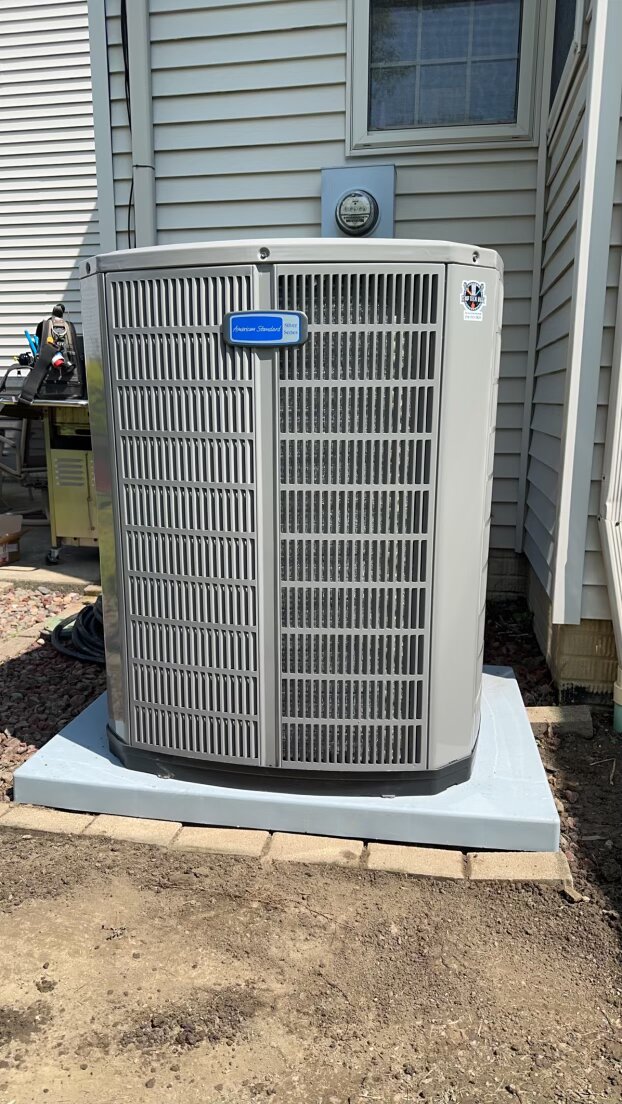
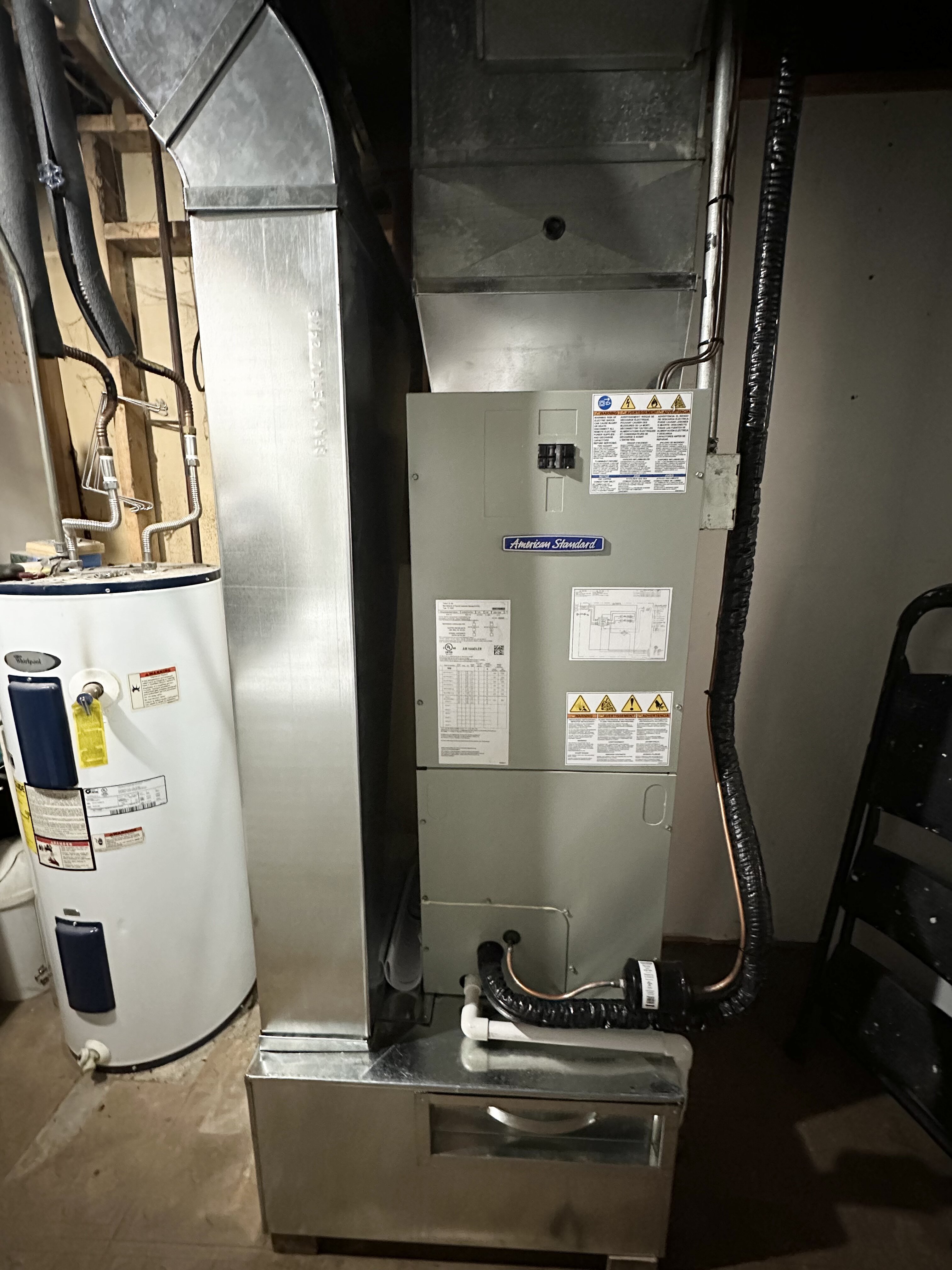
A lot of the housing stock we work in was built long before today's furnaces. Brick colonials, bungalows, and split-levels from the middle of the last century are everywhere from Elyria to the west side of Cleveland. Some still have the original ductwork. Some have been added onto until the furnace is feeding rooms it was never sized for. The repair-or-replace question is less about the age printed on a sticker and more about what the system is doing in this house.
When a repair is the right spend
Repair is usually the better call when most of these are true:
- The furnace is under about 12 years old and has a clear, single failure. A flame sensor, igniter, capacitor, or inducer motor is ordinary wear.
- The heat exchanger has been inspected and is intact.
- The rest of the system heats the house evenly once that part is replaced.
- Parts for that model are still available at a sensible price.
We would rather replace a worn part than talk someone into a full system they do not need. The estimate should say what failed, and what the repair does not fix.
When replacement is the honest answer
Replacement deserves a straight conversation when:
- The heat exchanger is cracked, or combustion readings are unsafe. That is not a part you patch.
- The same furnace has needed significant parts two or three seasons in a row, and it is past 15 years.
- The house never gets comfortable, and the duct system, not just the furnace, is the reason. A new furnace on failing ducts repeats the old problem.
- Very low-efficiency equipment is still in service, and the winter bills show it.
- The model is obsolete enough that the next failed board means a week without heat while someone hunts a part.
Age alone is not a verdict. We still maintain furnaces that have been cared for and are safe. Age plus repeat failures plus poor comfort is a verdict.
An oversized furnace short-cycles, wears parts, and still leaves the far bedroom cold. The duct and the return air have to be part of the plan.
Older houses need more than a new box
On a replacement we look at four things together:
- The heat loss of the house as it is now, including additions and new windows, not the load from the year it was built.
- The return air. Many older systems are starved for return, which is noisy, uncomfortable, and hard on a blower.
- Duct leaks in an unconditioned basement. New equipment cannot make up for air you heat and then lose under the floor joists.
- Venting. A high-efficiency furnace needs the right intake, exhaust, and condensate plan. A chimney that served an older furnace is not automatically the right path for the new unit.
Boilers are a different conversation
Some older homes in this area heat with a boiler and radiators or baseboard, not a furnace. If that is your house, a furnace quote should not talk you out of a boiler that still fits the building. We service boilers and tankless water heaters as well as forced air. The right system is the one that matches the radiation you already have, unless you are ready to change the whole way heat moves through the house.
Temp Tech HVAC offers free estimates on complete system replacements. We are licensed, bonded, and insured, and we will tell you when a repair is enough. Start with our heating page or ask for an estimate.